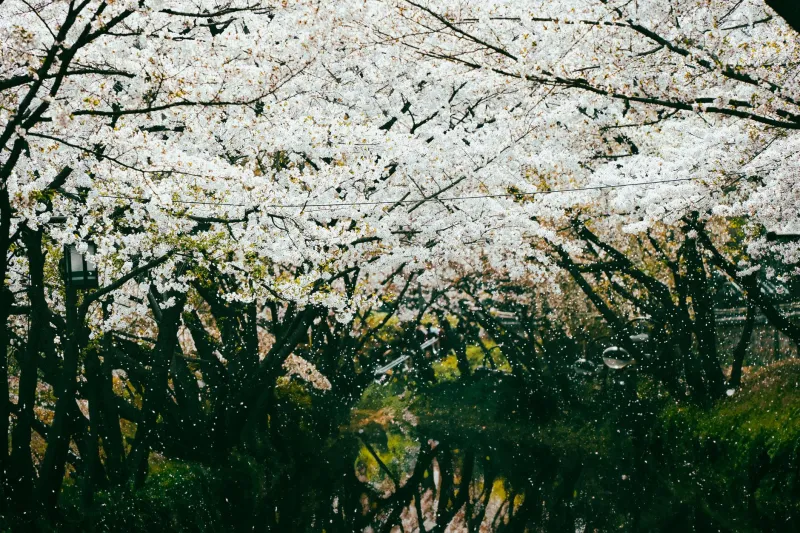
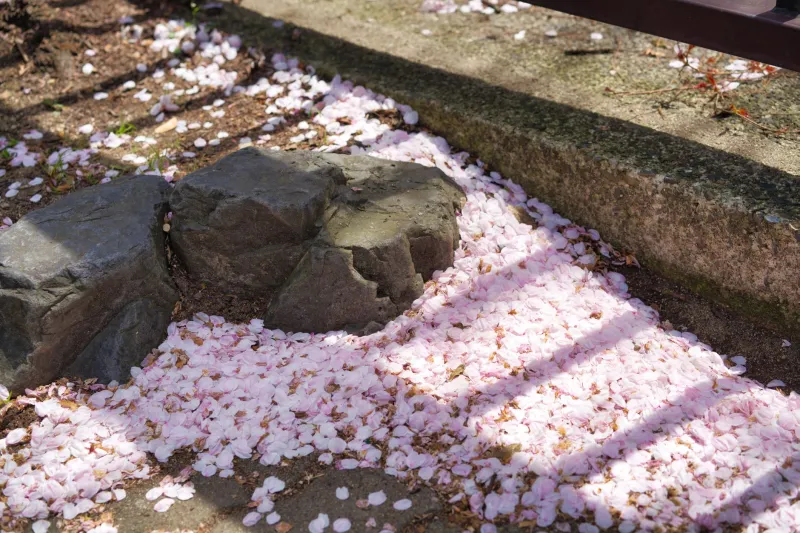
Alone on Purpose: How Japanese Ideas About Solitude Are Quietly Changing the Way Americans Work
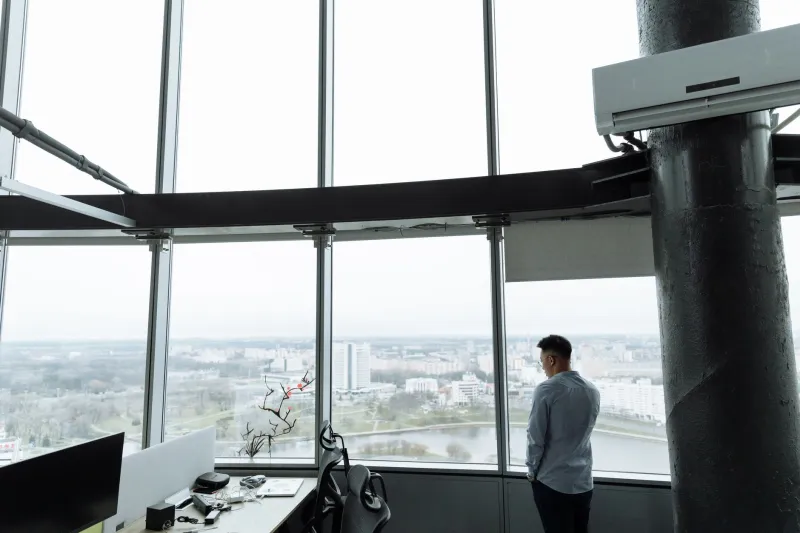
There's a particular kind of tired that remote workers know well. It's not the tired you feel after a long day of meetings — though that's real too. It's the exhaustion that comes from being constantly available, always half-present, perpetually tethered to a Slack notification or a calendar invite that could've been an email. American work culture built the tools for connection and somehow ended up making people feel more isolated than ever.
So it's a little ironic — and maybe kind of beautiful — that some of the most forward-thinking teams in the US are turning to Japanese philosophy to figure out how to be alone better.
What Kodoku Actually Means (It's Not What You Think)
In American culture, loneliness and solitude tend to get lumped together like they're the same problem. They're not. Loneliness is something that happens to you. Solitude — real, chosen, purposeful solitude — is something you step into.
Japanese has a word for the kind of aloneness that carries weight but not despair: kodoku. It's often translated as loneliness, but that misses something essential. Kodoku holds within it a quality of stillness, of being with oneself in a way that isn't frantic or hollow. It shows up in literature, in ink paintings, in the image of a single figure standing at the edge of something vast. There's no Western equivalent that quite captures the texture of it.
Then there's hitori time — literally, "one person time" — a concept that's less philosophical and more practical. It's the deliberate carving out of hours spent alone, not to be productive necessarily, but to simply exist without the social performance that work demands. In Japan, hitori activities — dining alone, traveling alone, visiting a museum or café by yourself — have become something of a cultural movement, a quiet pushback against the pressure to always be accompanied.
American workers, it turns out, are hungry for both.
The Burnout Diagnosis Nobody Was Making
The remote work experiment that started in 2020 was supposed to give people more autonomy. And in some ways, it did. But it also collapsed the boundary between presence and availability in ways that nobody fully anticipated. If you're home, you're reachable. If you're reachable, you're expected to respond. The result wasn't freedom — it was a longer workday with worse furniture.
Burnout research has consistently pointed to a lack of recovery time as a core driver of workplace exhaustion. But recovery doesn't just mean sleep or vacation. It means psychological detachment — the ability to mentally step away from work demands. And here's the thing: most American workplace wellness programs treat this as an individual problem. Meditate more. Set better boundaries. Download a breathing app.
What Japanese philosophy suggests is something different. The problem isn't that individuals are bad at rest. It's that the culture hasn't made space for a particular kind of aloneness — the kind that restores rather than depletes.
Tech Startups Are Starting to Listen
A handful of companies, particularly in the tech and creative sectors, are starting to experiment with what you might call structured solitude. Not isolation — nobody's locking employees in empty rooms — but intentional, protected quiet time built into the workday.
Some teams have introduced "deep work hours" where messaging apps go dark and meetings are banned. Others have started encouraging employees to take solo lunches or walks without phones, explicitly framing it as part of the work culture rather than a personal quirk. A few companies have even started talking openly about the difference between being alone and feeling lonely — treating solitude literacy as an actual skill worth developing.
The language these teams use is still pretty American — "focus blocks," "async culture," "intentional downtime" — but underneath it, the philosophy rhymes with something much older. The idea that contemplative space isn't a break from the work; it's part of how the work gets done well.
The Design of Togetherness Requires Knowing When to Step Back
This is where it gets interesting for creative teams specifically. Collaboration is genuinely valuable. Nobody's arguing that isolation produces better design or better ideas across the board. But there's a growing recognition that the best collaborative moments happen when people bring something to the table — a perspective that's been developed in quiet, a thought that had time to form before it got workshopped to death in a group chat.
Japanese aesthetics have long understood this rhythm. The concept of ma — the meaningful pause, the productive gap — shows up in music, architecture, conversation, and design. It's not emptiness for its own sake. It's emptiness that makes the surrounding fullness matter more. A creative culture that never pauses is one that never lets anything breathe.
For hybrid teams trying to build sustainable rhythms, this is actually a competitive advantage. When you protect solitude thoughtfully, when you signal to your team that being alone with a problem for a few hours is legitimate and even encouraged, you get people who come back to the group with more. The alone time feeds the together time.
Learning to Be Alone Together
There's a phrase that keeps coming up in conversations about modern remote work: "alone together." It's usually used to describe the odd loneliness of being on a video call with twenty people and feeling like nobody actually sees you. But it could mean something else entirely.
Imagine a team that understands the difference between solitude and isolation. That builds space for both deep focus and genuine connection. That doesn't treat every hour of quiet as a productivity gap to be filled. That's a team practicing something close to what Japanese philosophy has been pointing at for centuries — the idea that being alone, done right, is one of the most generous things you can offer the people you work with.
You come back fuller. You listen better. You have something real to contribute.
American work culture is slowly, awkwardly, sometimes clumsily learning this. But it's learning. And maybe that's enough for now — to sit with the discomfort of not-quite-knowing, the way you sit with a good painting or a long silence, and trust that something useful is happening in the space between.