Speaking in Two Tongues, Thinking in a Third: The Creative Edge of Multilingual Designers

The Space Between Words Is Where Ideas Live
There's a moment that every bilingual person knows. You're mid-sentence in one language, and the word you need — the exact word — only exists in the other one. Japanese has komorebi, that soft, dappled light filtering through leaves. Portuguese has saudade, a longing so specific it almost hurts to translate. And for a split second, you live in the gap between both worlds, reaching for something that no single language fully holds.
For designers, that gap isn't a problem. It's the whole point.
I've been thinking about this a lot lately — about how the experience of navigating multiple languages shapes the way creatives see, solve, and make things. Not just in terms of which clients they can talk to or which markets they can serve, but in terms of the actual cognitive machinery running underneath their work.
What the Research Actually Says
Neuroscience has been quietly building a case here for years. Studies on bilingual cognition — from researchers at places like the University of Chicago and Penn — consistently show that people who regularly switch between languages develop stronger executive function. That means better attention control, sharper task-switching ability, and a more flexible working memory.
In design terms? Those are superpowers.
When you're working through a branding problem or trying to figure out why a UI layout feels off, you're constantly switching mental modes — analytical, intuitive, aesthetic, strategic. Designers who've spent their lives code-switching between languages have essentially been training that mental flexibility without even realizing it. The brain that can hold two grammatical systems simultaneously is also the brain that can hold two contradictory design directions and find the synthesis.
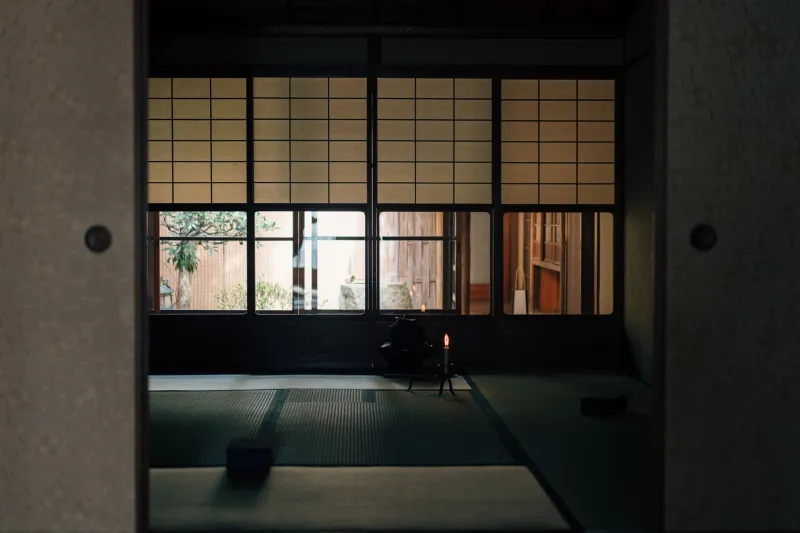
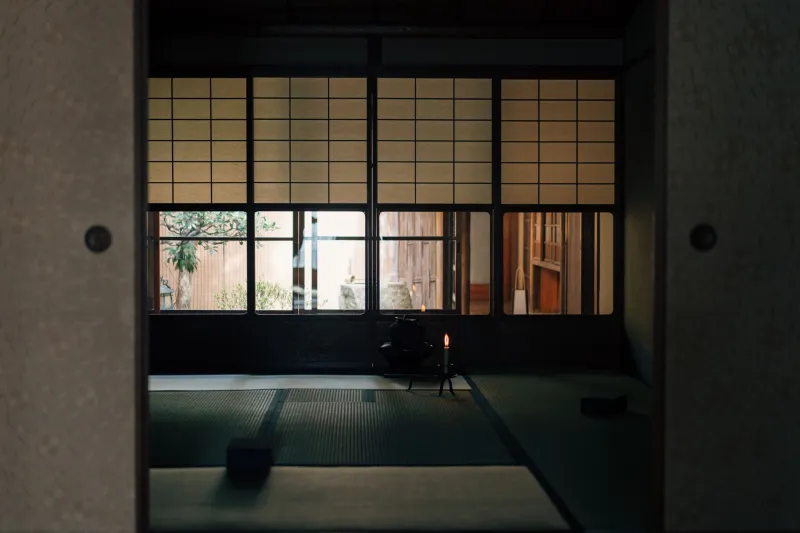
There's also something called "conceptual metaphor theory" — the idea that our abstract thinking is built on physical and sensory metaphors that vary by language and culture. When you've internalized more than one of those systems, you have access to a wider metaphor library. A designer raised in both English and Japanese, for instance, might approach negative space differently — not just aesthetically, but conceptually — because the cultural and linguistic frameworks around emptiness, silence, and pause are genuinely different in those two worlds.
Different Languages, Different Visual Logic
Here's a practical example. English is a language that front-loads information — the most important thing usually comes first. Japanese tends to build context and withhold the conclusion until the end. These aren't just grammar differences. They're different theories of how attention and meaning work.
A designer fluent in both doesn't just know this intellectually. They've lived it. They've experienced what it feels like to receive information in both rhythms. And when they're designing a landing page, a poster, or a brand story, they can consciously choose which rhythm serves the moment — or they can find a third option that plays with both.
That's not something you can learn from a design system doc or a UX workshop. It comes from years of inhabiting multiple ways of making sense of the world.
I've talked to designers who describe their multilingual background as a kind of "translation instinct" — an automatic reflex to ask, "how would someone from a completely different framework see this?" That question is, arguably, the most important question in design. Most people have to work hard to get there. Multilingual creatives often arrive there by default.
The Cross-Cultural Communication Advantage
Beyond cognition, there's the practical reality of working in an increasingly global creative industry. American brands are constantly trying to reach audiences that don't share their cultural assumptions — and constantly fumbling it. The cringe-worthy localization fail, the campaign that lands perfectly in one market and bombs in another, the logo that accidentally means something very different in Mandarin — these are real, expensive problems.
Designers who've grown up between languages carry a kind of cultural fluency that goes deeper than research. They know the difference between a translation and an interpretation. They understand that visual communication is never culturally neutral — that a color, a gesture, a layout choice carries meaning that shifts depending on who's looking.
That's enormously valuable. And it's undervalued in a lot of American design studios, which still tend to treat "cultural sensitivity" as a checklist rather than a genuine design competency.
The Downside Nobody Talks About
Here's where I want to be honest, though: there are real challenges that come with this territory.
Multilingual creatives — especially those navigating immigrant or bicultural identities — often deal with a kind of cognitive and emotional overhead that their monolingual peers don't carry. The constant translation isn't just linguistic. It's social, professional, aesthetic. There's a tax on the energy of always being the bridge between worlds.
And in professional settings, the advantage isn't always recognized. Multilingual designers sometimes find their cultural knowledge treated as a novelty — called in when there's an "Asian market" brief or a "Spanish-language campaign" — rather than understood as a fundamental enhancement to their creative thinking across the board.
That's a failure of imagination on the part of the industry. The cognitive flexibility that comes from living between languages doesn't switch on and off based on the client brief. It's baked into the way these designers think.
A Third Language That Belongs to No Country
What I find most interesting — and this feels true to my own experience moving between worlds — is that multilingual creatives often develop something that isn't quite either of their languages. A third mode. A way of seeing that belongs to the space between.
That in-between space is where a lot of the most interesting design work lives right now. Work that doesn't feel like it belongs to one aesthetic tradition. Work that borrows rhythms and logics from multiple cultural frameworks and synthesizes them into something new.
The bilingual designer's advantage isn't just about knowing more words. It's about knowing that words — and images, and layouts, and colors — always mean more than one thing at once. And learning to work with that complexity rather than flattening it.
That's a skill the industry needs more of. And it starts with actually recognizing it as a skill.